
Samsung Galaxy S26 vs. Xiaomi POCO X8 Pro: Which Smartphone Is Better?
Looking for a powerful Android smartphone with a high-refresh-rate AMOLED display, strong performance and advanced camera features?
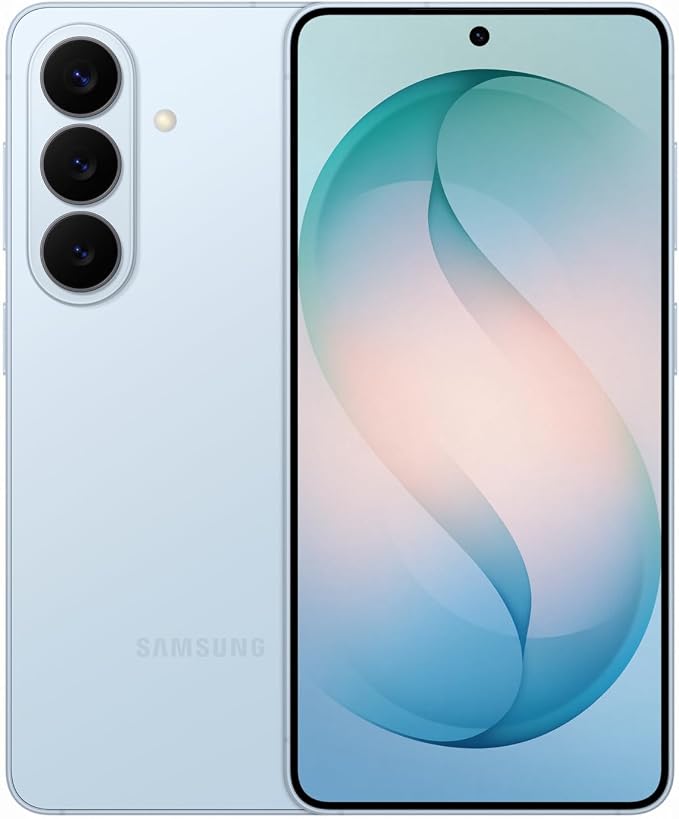
The Samsung Galaxy S26 and Xiaomi POCO X8 Pro offer impressive specifications, but they are designed for very different buyers. The Galaxy S26 is a compact premium flagship. It focuses on camera versatility, long-term software support, wireless charging, advanced connectivity, Galaxy AI and integration with Samsung’s ecosystem.
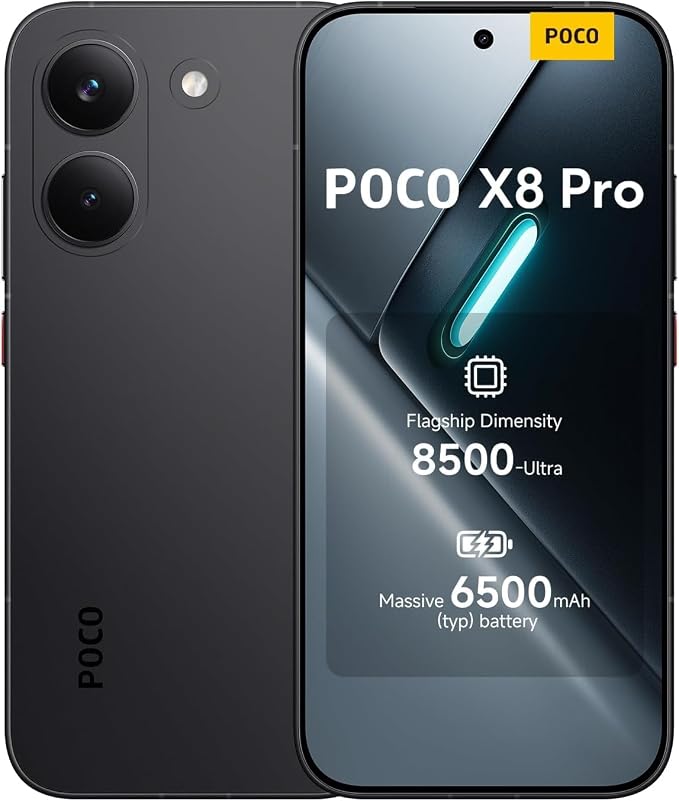
The POCO X8 Pro is a performance-focused value phone. It offers a larger 1.5K display, a 6,500mAh battery, 100W charging, fast UFS 4.1 storage and gaming-oriented features at a considerably lower price.
Main Difference
The most important difference is that the Samsung Galaxy S26 is a complete premium flagship, while the POCO X8 Pro prioritizes performance, battery life and specifications for the price.
The Galaxy S26 combines a compact 6.3-inch display, a triple-camera system with 3x optical zoom, wireless charging, Samsung DeX, Wi-Fi 7 and seven years of software support. The Brazilian model uses Samsung’s 2nm Exynos 2600 processor. The POCO X8 Pro has a larger 6.59-inch 1.5K AMOLED display, the Dimensity 8500-Ultra processor, a 6,500mAh battery, 100W HyperCharge and up to 12 GB of RAM with 512 GB of storage.
Therefore, the Galaxy S26 prioritizes premium features, cameras, connectivity and longevity. The POCO X8 Pro prioritizes screen size, battery capacity, charging speed and gaming value.
Design and Build Quality
The Galaxy S26 is significantly smaller, thinner and lighter.It measures 149.6 by 71.7 by 7.2 millimeters and weighs 167 grams. Samsung uses an Armor Aluminum frame with Gorilla Glass Victus 2 on the front and back.
The POCO X8 Pro measures 157.53 by 75.19 by 8.38 millimeters and weighs approximately 201.47 grams. It uses a metal middle frame and glass back, while Gorilla Glass 7i protects the display.The POCO feels more substantial because of its larger screen and battery. The Galaxy S26 is easier to hold with one hand, carry in a pocket and use for extended periods.
Both phones have an IP68 rating. Samsung rates the Galaxy S26 for immersion in up to 1.5 meters of fresh water for 30 minutes under laboratory conditions. POCO advertises the same 1.5-meter and 30-minute laboratory standard for the X8 Pro. Water resistance can decrease over time and should not be treated as permanent waterproofing.
Design and portability winner: Samsung Galaxy S26
Best for users who prefer a larger phone: POCO X8 Pro
Display Quality
The Galaxy S26 has a 6.3-inch Dynamic AMOLED 2X display with a resolution of 2340 by 1080 pixels.
It supports an adaptive refresh rate from 1Hz to 120Hz and reaches up to 2,600 nits of advertised peak brightness. The adaptive LTPO-style refresh system can reduce the refresh rate when the screen is displaying static content, improving efficiency while maintaining smooth scrolling and animations.
The POCO X8 Pro has a larger 6.59-inch AMOLED display with a higher resolution of 2756 by 1268 pixels and a pixel density of 460 pixels per inch.It supports a refresh rate of up to 120Hz, 12-bit color, Dolby Vision, HDR10+, a 480Hz touch-sampling rate and a temporary 2,560Hz instant touch-sampling mode through Game Turbo. POCO advertises 2,000 nits of full-screen high-brightness output and a localized peak of 3,500 nits covering part of the display.
The POCO also uses 3,840Hz PWM dimming and includes TÜV Rheinland certifications for flicker reduction, low blue light and circadian-friendly viewing.The Galaxy S26 provides a more compact and power-efficient adaptive display. The POCO provides more screen area, a higher resolution and more gaming-oriented touch specifications.
Best compact and adaptive display: Samsung Galaxy S26
Best display for gaming and media: POCO X8 Pro
Performance
The Brazilian Galaxy S26 uses the Exynos 2600, manufactured on a 2nm process. It is Samsung’s flagship processor for the standard S26 in this region and is designed around high-end CPU, GPU, AI and image-processing performance.
In some markets, including the United States, the Galaxy S26 uses the Snapdragon 8 Elite Gen 5 for Galaxy instead. Buyers considering an imported device should therefore confirm the processor before purchasing.
The POCO X8 Pro uses the MediaTek Dimensity 8500-Ultra, manufactured on a 4nm process. It has an eight-core CPU running at up to 3.4GHz and a Mali-G720 MC8 GPU. Both phones should provide fast everyday performance for social media, web browsing, multitasking, photography, video streaming and demanding mobile applications.
The Galaxy S26 has the more premium system-on-chip and should offer the stronger overall platform for advanced AI processing, computational photography and long-term flagship performance. This conclusion is based on the phones’ official chipset positioning and manufacturing specifications rather than a direct independent benchmark comparison.
The POCO X8 Pro remains extremely competitive for gaming and general performance, especially considering its lower price.
Overall performance winner: Samsung Galaxy S26
Performance-for-the-price winner: POCO X8 Pro
Rear Camera System
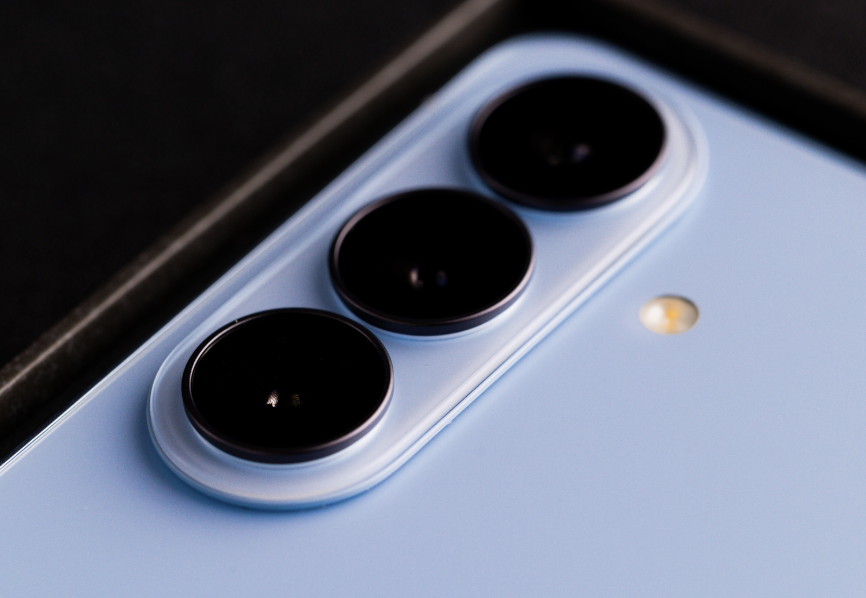
The Galaxy S26 has a more versatile triple-camera system:50MP main camera with an f/1.8 aperture12MP Ultra Wide camera with an f/2.2 aperture10MP Telephoto camera with 3x optical zoom and an f/2.4 aperture Samsung also provides optical-quality 2x framing through the main camera and up to 30x Space Zoom.
The POCO X8 Pro has a dual-camera system:
- 50MP Sony IMX882 main camera with an f/1.5 aperture and optical image stabilization.
- 8MP Ultra Wide camera with an f/2.2 aperture.
The POCO supports a digital zoom range from 0.6x to 10x in photo mode, but it does not have a dedicated telephoto camera.The POCO’s 50MP main camera has a wide aperture and OIS, giving it competitive hardware for everyday photography. However, the Galaxy S26 provides more focal lengths and substantially better zoom flexibility.The dedicated 3x Telephoto camera makes the Samsung more useful for portraits, travel, events, sports and subjects that cannot be approached physically.
Rear-camera versatility winner: Samsung Galaxy S26
Front Camera
The Galaxy S26 has a 12MP front camera with an f/2.2 aperture. It can record video at up to 4K resolution and 60 frames per second. The POCO X8 Pro has a higher-resolution 20MP front camera with an f/2.2 aperture. However, its video recording is limited to 1080p at 30 or 60 frames per second. The camera uses fixed focus rather than autofocus.
The POCO may capture detailed selfies in good lighting, but resolution alone does not determine image quality. The Galaxy S26 is the stronger option for video calls, social-media videos and content creation because it supports 4K front-camera recording and benefits from Samsung’s premium image-processing system.
Front-camera and video winner: Samsung Galaxy S26
Battery Capacity
Battery capacity is one of the POCO X8 Pro’s biggest advantages.
The Galaxy S26 has a 4,300mAh battery. Samsung advertises up to approximately 30 or 31 hours of video playback, depending on the regional product page and testing conditions.
The POCO X8 Pro has a much larger 6,500mAh battery. It uses a dual-cell lithium-polymer configuration and is designed for extended gaming, video playback and general daily use.
Battery capacity does not translate directly into proportional runtime because processor efficiency, screen settings, applications and network conditions also affect consumption.
However, the POCO has approximately 51% more nominal battery capacity. It should therefore be the more suitable option for heavy users, gamers and people who frequently spend long periods away from a charger.
Battery-capacity winner: POCO X8 Pro
Software and User Interface
The Galaxy S26 launched with Android 16 and One UI 8.5. One UI includes Samsung applications, Galaxy AI, Knox security, extensive customization and integration with Galaxy tablets, watches, earbuds and Windows computers.
The POCO X8 Pro launched with Xiaomi HyperOS 3 based on Android 16. HyperOS includes Game Turbo, Xiaomi HyperAI, interconnectivity features and customization options.Both interfaces provide modern Android features, multitasking, themes, app permissions and digital-wellbeing controls.
Samsung’s interface is generally more closely integrated with productivity, enterprise security and a broader ecosystem. POCO’s software emphasizes performance, gaming and Xiaomi device integration.
Software ecosystem winner: Samsung Galaxy S26
Final Verdict
The Samsung Galaxy S26 is the better smartphone overall.It has the more versatile camera system, better zoom, more advanced video features, wireless charging, faster connectivity, a lighter design, a more complete software ecosystem and a much stronger update commitment.
It is the better choice for photography, content creation, productivity, long-term ownership and users who want a compact premium phone.
However, the POCO X8 Pro provides substantially better value.
Its large 1.5K display, Dimensity 8500-Ultra processor, 6,500mAh battery, 100W charging and UFS 4.1 storage make it an excellent option for gaming, streaming and demanding everyday use without paying flagship prices.
Choose the Galaxy S26 when cameras, software support, portability and premium features are the priorities.
Choose the POCO X8 Pro when battery life, charging speed, screen size and performance for the price matter more.