
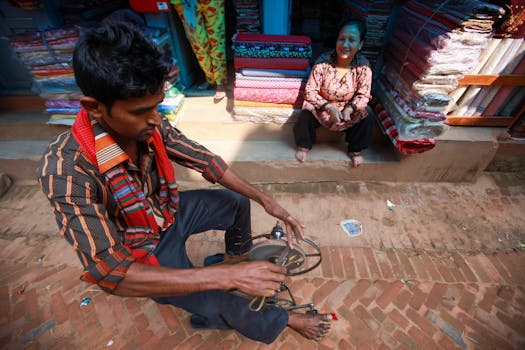
The future of craft shows presents an exciting panorama of possibilities, blending tradition with modern innovations. As the landscape continues to evolve, artisans, vendors, and attendees are experiencing changes that redefine their interactions and business models. Craft shows, once seen as niche markets, are gradually becoming mainstream community events with significant economic impact.
Over the years, these shows have served as essential platforms for local artisans to connect with customers, showcase their work, and build a loyal following. The upcoming years are likely to witness further evolution as technology and trends reshape the very essence of these gatherings. Understanding these trends helps vendors adapt while enhancing the experience for attendees.
The increasing interest in handmade goods will further fuel the emergence of craft shows. Additionally, as consumers increasingly value authenticity and local production, craft shows stand to gain even greater popularity. In this article, we’ll explore the future of craft shows, focusing on upcoming trends, technology integration, and sustainability efforts.
Embracing Technology in Craft Shows
Technology is transforming craft shows in various ways, enhancing both vendor and customer experiences. For example, virtual reality can help visitors explore booths without being physically present. This innovation opens doors for participation from a wider audience.
Additionally, online ticketing systems streamline entry processes, making it easier for attendees to enjoy events. Instead of long lines, guests are welcomed into a world of creativity with just a few clicks. This helps in maintaining crowd control and improving overall satisfaction.
Social media platforms play a pivotal role in promoting events, showcasing artists, and providing real-time updates. Craft shows can utilize platforms like Instagram and Facebook to amplify their reach significantly. Engaging visual content attracts potential customers, increasing foot traffic.
Moreover, mobile payments are gaining traction, making transactions seamless for both vendors and customers. Cashless solutions simplify the purchasing process. This encourages visitors to buy more without the hassle of carrying cash.
Lastly, virtual events are here to stay, complementing in-person craft shows. The hybrid model allows artisans to showcase their work to larger audiences across the globe. This flexibility ensures that every craft enthusiast can participate regardless of location.
The Rise of Sustainability in Craft Shows
Sustainability is taking center stage in the craft show circuit. Vendors are increasingly conscious of their environmental impact and are implementing eco-friendly practices. The use of sustainable materials and packaging is on the rise.
Consumers are actively seeking brands that align with their values. They prefer products with a low environmental footprint and those that promote ethical practices. Craft shows that showcase sustainability attract a more engaged audience.
Workshops on sustainable crafting techniques have also become more popular. These sessions not only educate attendees but also foster a sense of community among craft lovers. It encourages the sharing of knowledge and resources.
Events promoting zero-waste initiatives resonate well with participants. Organizers may provide recycling stations or encourage vendors to minimize waste during their showcases. Such efforts highlight the importance of reducing our ecological footprint.
In the future, craft shows will likely prioritize and reward vendors who demonstrate commitment to sustainability. This shift may drive others to adapt environmentally-friendly practices, creating a more responsible crafting culture.
The Localization of Art and Craft Markets
The trend towards localization is becoming prominent in craft shows. Shoppers increasingly prefer to support local artisans rather than large corporations. This buying behavior strengthens community ties and benefits local economies.
Craft shows can tap into this enthusiasm by featuring regional artists whose work reflects local culture. Visitors appreciate the stories behind each product, fostering a deeper connection. Emphasizing locality enhances the authenticity of the event.
Moreover, themed craft shows centered around local traditions or seasonal celebrations are gaining popularity. These events create unique experiences and attract larger audiences, making them a staple of the local social calendar.
Collaborative spaces that allow multiple local vendors to showcase their crafts together are becoming more common. This approach aids in resource-sharing and amplifies the visibility of all participants, encouraging mutual growth.
As people continue to value community involvement, craft shows focused on local artistry are likely to thrive. This trend not only benefits artisans but also enriches the cultural fabric of neighborhoods.
Participant Engagement through Workshops and Experiences
Craft shows are transitioning from mere marketplaces to interactive experiences. Attendees are looking for opportunities to engage and learn rather than just browse. Workshops and hands-on sessions are emerging as integral components of many events.
These interactive elements allow participants to gain skills while fostering a sense of community. Craft workshops often lead to lasting friendships among attendees, unifying individuals through shared passions. They build a more dynamic atmosphere compared to traditional sales events.
Moreover, offering demonstrations by artisans increases engagement significantly. Visitors appreciate the opportunity to witness the crafting process, deepening their understanding and appreciation for the art. This level of interaction creates memorable experiences.
Enhancing attendee participation through contests or collaborative projects can also promote inclusiveness. Such initiatives motivate participants to showcase their creativity while building excitement around the event.
Ultimately, creating a multi-dimensional experience boosts visitor retention rates. This engagement approach will likely become a critical factor in the future success of craft shows.
The Global Influence on Local Craft Shows
As the world becomes more interconnected, international influences are shaping local craft shows. Globalization has made it easier for artisans to share techniques, styles, and trends from across the globe. This cross-cultural exchange enriches the crafting landscape.
Craft shows now feature diverse offerings, showcasing various artistic styles and techniques. This broad spectrum attracts a wider audience interested in exploring different cultures through art. Attendees can connect with global artisans, further expanding their understanding.
Moreover, international collaborations among artisans can yield unique products that reflect a blend of influences. These exclusive items appeal to consumer desire for originality, driving sales and excitement at craft shows.
Social media plays a key role in facilitating these connections. Artists can showcase their works online, allowing them to reach audiences globally. This, in turn, encourages local craft shows to incorporate international elements.
As craft shows embrace global influences, they foster cultural diversity and creativity. This will enhance the vibrancy of future events, leading to a rich tapestry of artistic expression.
The Economic Impact of Craft Shows
The economic impact of craft shows cannot be understated. They support local economies by providing artisans a platform to sell their products and create jobs. Increased commerce during these events boosts community engagement.
Craft shows also attract tourism, bringing new visitors to local areas. As attendees travel to participate, they contribute to local hospitality industries, including hotels, restaurants, and shops. This inflow of visitors stimulates economic growth.
Furthermore, successful craft shows often lead to recurring events, establishing a reliable revenue stream for organizers and vendors alike. Sustained craft shows create a cultural tradition within communities that encourages further economic opportunities.
Additionally, sponsorship opportunities with local businesses can further enhance financial stability for craft shows. Collaborative promotional efforts benefit all parties involved and underscore community support.
As craft shows continue to grow in significance, their economic contributions will remain a vital element, promoting local artisans while revitalizing communities.
Conclusion
The future of craft shows is a vibrant tapestry woven from tradition, innovation, and community spirit. As technology, sustainability, localization, and participant engagement redefine these events, exciting opportunities lie ahead. Craft shows will continue to evolve, enhancing connections between artisans and consumers.
By embracing change and remaining adaptable, craft shows can thrive and maintain their relevance in a fast-evolving market. The potential for growth and creativity is immense, promising a bright future filled with possibilities.
Ultimately, as these events continue to flourish, they will foster stronger community bonds, promote local economies, and celebrate the unique artistry of makers. Craft shows are not only markets; they are vibrant gatherings showcasing individuality and creativity.