
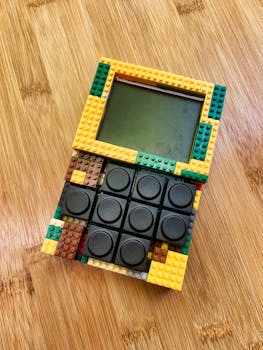
Technology’s influence permeates every aspect of our lives, shaping our work, leisure, and interactions. In the realm of crafting, technology stands as a pivotal force, redefining traditional practices with innovative tools and resources. Craft enthusiasts now experience a fusion of creativity and technology that empowers their imaginative spirits.
From digital design software to online sharing platforms, technology has transformed the crafting landscape. Crafters of all skill levels can access tools that enhance their work, expand their potential, and foster community connections. This evolution showcases craftsmanship’s adaptability in embracing new methodologies.
As we delve deeper into the nexus of technology and crafting, it becomes clear that this relationship empowers artisans to expand their boundaries. Let’s explore the myriad ways technology plays a role in crafting, revealing the endless possibilities it unlocks.
1. Digital Tools Enhance Creativity
Crafting traditionally involved hands-on techniques that required time and patience. Today, digital tools have enriched this experience, allowing for quicker design iterations. Applications such as Adobe Illustrator and Canva facilitate the creation of intricate patterns easily.
These tools offer functionalities including layering, coloring, and custom resizing. Consequently, artisans can explore their creative ideas without limitations. Instead of merely sticking to physical mediums, creators can visualize complex designs first digitally.
Moreover, crafting becomes more intuitive when augmented by technology. Users can experiment freely, changing colors and forms with a simple click. This flexibility encourages innovation and personal expression in homemade crafts.
Please also note that the marriage of digital and physical crafting encourages a new form of artistic expression. By using advanced software, artisans can craft personalized pieces that resonate with their unique styles and preferences.
As a result, technology empowers crafters not just to create, but to innovate. It allows them a platform where imagination transforms into tangible outcomes effortlessly, ensuring their voice is distinctively represented.
2. Access to a Wealth of Resources
The internet opens vast avenues to crafting resources, making access to information easier than ever. From tutorial videos on YouTube to comprehensive blogs, learning has never been more accessible. Crafters can tap into a treasure trove of knowledge at the click of a button.
Online courses from platforms like Skillshare or Udemy further enhance this learning experience. Users can enroll in detailed classes, mastering techniques from expert artisans without geographical constraints. This fosters a culture of continuous improvement and creativity.
In addition to learning resources, crafters benefit from online communities. Websites dedicated to crafting provide forums and social media groups for sharing experiences and advice. This sense of belonging amplifies their skills and motivation.
Social media platforms like Instagram and Pinterest serve as inspiration hubs, showcasing projects from around the world. Crafters can gain ideas that spark new concepts and trends. Ultimately, technology fosters a supportive network to cultivate creativity.
The wealth of resources available through technology democratizes crafting, allowing anyone with an interest to explore their capabilities. This has proven especially beneficial for beginners finding their unique paths in the crafting world.
3. The Rise of E-Commerce in Crafting
With the rise of e-commerce, crafters gain an extraordinary platform to showcase and sell their creations. Websites like Etsy provide artisans a marketplace to reach hobbyists and enthusiasts globally. These platforms equip artists to transform their passion into viable businesses.
Online selling offers crafters invaluable insights into market trends. Access to analytics helps understand customer preferences and adjust products accordingly. This data-driven approach enables smaller artisans to compete alongside larger brands.
Moreover, e-commerce platforms simplify logistics, such as payment processing and shipping. As a result, artisans can focus more on their creative work rather than administrative tasks. Such efficiency is essential for sustaining their businesses.
In addition, crafters can utilize crowd-funding platforms to obtain initial funding for new projects. Campaigns on platforms like Kickstarter allow them to gauge interest, ensuring they hit the ground running. Such support empowers creative dreams.
Through e-commerce, technology has lifted numerous artisans, creating vibrant opportunities for financial independence. This shift encourages continued innovation and diversity within the crafting community.
4. Innovations in Materials and Tools
Advancements in material science mean crafters today have access to various innovative supplies. New synthetic fabrics, eco-friendly materials, and smart textiles expand what creators can achieve. This wealth of options significantly broadens the scope of crafting possibilities.
Furthermore, new tools such as laser cutters and 3D printers bring crafting into a new era. With these technologies, artisans can create intricate designs with precision unachievable by hand. Such tools foster an environment of exploration and innovation.
This shift towards high-tech tools doesn’t replace traditional methods. Instead, they complement existing techniques, allowing for the integration of new styles and processes. As a result, crafters can experiment with hybrid techniques combining old and new.
Moreover, sustainable crafting has gained traction, thanks to technological advances. Many companies now offer recycled materials, allowing creators to minimize waste while still maintaining artistic integrity. This conscious approach to crafting resonates with eco-aware consumers.
In this way, technology is revolutionizing the types of materials available. This evolution perpetuates an ever-evolving landscape that continues to inspire new generations of crafters.
5. Digital Techniques in Traditional Crafts
While traditional crafts hold longtime value, integrating digital techniques revitalizes them. For instance, quilting can now utilize computerized sewing machines to introduce intricate patterns. This blend of approaches produces unique works that remain true to their roots.
Additionally, Photoshop can manipulate images for decoupage or collage crafts, enabling users to create stunning visuals. It allows artists to combine photography with traditional artistry, resulting in multifaceted pieces. Thus, conventional crafts embrace technological progress.
The combination of digital and manual techniques can yield uniquely intricate results. Crafters can explore a variety of combinations, pushing the boundaries of their artistic capabilities. Such experimentation often leads to innovative techniques defining contemporary crafting.
This melding reflects in workshops embracing both traditions and innovation, allowing crafters to learn diverse methods. This fusion benefits seasoned artisans and beginners as they glean techniques that enhance their toolkit.
Consequently, digital techniques pave the way for artisan evolution while preserving the essence of traditional craft. This ensures crafters continue to innovate while paying homage to time-honored practices.
6. Enhancing Collaboration and Community
Technology fosters collaboration and community among crafters, transcending geographic barriers. By joining online forums and social media groups, artisans can connect, share techniques, and inspire each other. This sense of community enhances creativity and motivation.
Virtual workshops have surged, connecting crafters globally. Thus, artisans can teach and learn from one another, leveraging different perspectives. This interaction enriches their experiences and encourages the exchange of diverse ideas.
Furthermore, technology allows for the seamless sharing of projects. Platforms like Instagram and TikTok enable creators to display their work, receive feedback, and engage with followers. This real-time interaction enhances learning and collaboration.
The sense of shared dedication among crafters creates digital support networks. These relationships can lead to collaborative projects, inspiring new creations borne from collective efforts. Such experiences foster camaraderie and emotional investment in the craft.
As a result, technology transforms crafting from a solitary endeavor into a shared experience. This shift enriches the crafting community, making it vibrant and inclusive.
7. Future Trends in Crafting Technology
As technology continues to advance, the future of crafting is set to transform radically. Exciting new technologies, such as augmented reality (AR) and virtual reality (VR), offer immersive experiences for crafters. These innovations bring tools and materials to life, expanding creative horizons.
Innovations in AI-driven design tools will enhance creative workflows. These intelligent applications could streamline the design process, offering suggestions that align with a user’s aesthetic preferences. This partnership empowers artists to unleash their imagination in entirely new ways.
Moreover, the advent of blockchain technology may introduce new avenues for ownership and authenticity in crafting. This may allow artisans to digitally certify their works, improving market value while protecting against counterfeiting.
Additionally, sustainability continues to be a cornerstone of future crafting innovations. Advancements in upcycled materials and biodegradable supplies will ensure that artistic expressions remain environmentally responsible. This commitment resonates with the contemporary market’s demands.
Overall, the ongoing convergence of technology and crafting will usher in novel tools and trends, redefining creative possibilities. This integration not only drives innovation but solidifies crafting’s place in contemporary culture.
Conclusion
In summary, technology plays a transformative role in crafting, enriching experiences and enabling artisans to innovate and connect. From access to resources and e-commerce platforms to innovative tools, crafters have unprecedented opportunities. This synthesis of technology and artistry embodies a relationship that cultivates creativity and community across the globe.
As we look toward the future, the potential for further advancements promises to expand the boundaries of what’s possible within crafting. By embracing technology, artisans can keep their work relevant, accessible, and exciting.
Ultimately, technology doesn’t merely support crafting; it revolutionizes it, enabling a vibrant landscape where imaginations can flourish freely. The journey ahead is bright for crafters and tech alike.