
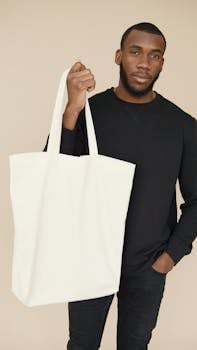
In recent years, the significance of craft packaging has soared. Craft packaging serves as a fundamental aspect of branding in today’s market. It shapes how consumers perceive products and companies.
Through aesthetically pleasing designs and sustainable materials, this art form creates a narrative around brands. Effectively communicating value and enhancing customer experience is essential in any competitive landscape.
As businesses grow and evolve, so does the necessity for unique packaging solutions. Craft packaging can differentiate products, driving sales while also contributing to environmental efforts.
Understanding Craft Packaging
Craft packaging is a tailored approach that emphasizes creativity and sustainability. Businesses often utilize bespoke designs to highlight their products’ unique attributes. This approach resonates with consumers who appreciate originality.
Moreover, craft packaging fosters a connection between the brand and its audience. By telling a story through design, brands can create emotional ties. This emotional aspect enhances brand loyalty and repeat purchases.
Additionally, eco-friendly materials are increasingly prioritized in craft packaging. Sustainable packaging solutions attract environmentally-conscious consumers. This trend also aligns with global efforts to reduce carbon footprints and waste.
Furthermore, innovative packaging designs can encourage more purchases. When customers find a product visually appealing, they are more likely to buy it. This psychological aspect is crucial for success in the marketplace.
In summary, craft packaging blends art and functionality. Its ability to enhance branding while promoting sustainability has made it essential. Companies embracing this art form often see positive results.
The Benefits of Craft Packaging
Craft packaging offers numerous advantages, making it a popular choice among brands. One key benefit is product differentiation. Unique designs set products apart from competitors.
Additionally, well-designed packaging enhances the overall customer experience. Aesthetic appeal can create excitement and anticipation before opening. This emotional engagement significantly benefits brands in a crowded marketplace.
Moreover, sustainable materials used in craft packaging appeal to consumers. Eco-friendly packaging builds trust and credibility in a brand. Consumers are more likely to support brands prioritizing environmental responsibility.
Another advantage is the potential for increased sales. Eye-catching packaging often leads to impulsive purchases. Brands that invest in packaging design can reap considerable financial rewards.
Overall, the benefits of craft packaging are undeniable. By enhancing brand image, fostering loyalty, and improving sales, it’s an essential investment for many businesses.
Materials Used in Craft Packaging
Craft packaging utilizes various materials tailored for aesthetic and functional purposes. Commonly used materials include recycled paper, cardboard, and biodegradable plastics. Each offers unique advantages for brands.
Recycled paper is a popular choice due to its sustainability and versatility. It allows for extensive customization while remaining environmentally friendly. This material appeals to both consumers and brands striving for eco-friendliness.
Cardboard offers durability and strength while being lightweight. It is flexible for various designs and applications. As such, many brands favor it for its reliability and aesthetics.
Biodegradable plastics are rapidly gaining traction in craft packaging. These materials decompose naturally, reducing environmental impact. They effectively combine functionality with sustainability, attracting modern consumers.
In conclusion, the materials used in craft packaging significantly affect design and consumer perception. Selecting the right materials is crucial for achieving desired branding goals.
Design Principles for Craft Packaging
Successful craft packaging hinges on effective design principles. Key aspects include visual balance, color harmony, and typography. Each element contributes to creating an appealing package.
Visual balance enhances the overall look, drawing attention and interest. A well-balanced design feels stable and professional, encouraging customers to engage. Maintaining this balance is vital during brainstorming sessions.
Furthermore, color harmony plays an essential role in conveying the brand’s personality. Colors evoke specific emotions, greatly influencing consumer decisions. Choosing the right palette can evoke the desired reactions.
Typography also significantly affects how a package is perceived. The font style, size, and arrangement need to communicate brand values effectively. Optimal typography reinforces the overall design concept.
Adhering to these design principles can lead to successful craft packaging. When effectively implemented, these elements create engaging packaging that resonates with consumers.
Marketing Through Craft Packaging
Craft packaging serves as a powerful marketing tool for brands. Unique packaging can capture consumer attention in physical and digital marketplaces. It presents the ideal opportunity to communicate brand identity.
Engaging packaging fosters curiosity and can drive social media sharing. Eye-catching designs often lead customers to share their experiences online. As a result, this generates organic marketing opportunities for brands.
Additionally, storytelling can also be integrated into craft packaging. Brands can embed meaningful narratives that resonate with consumers and establish deeper connections. This strategy enriches the interaction beyond mere purchase.
Moreover, influencer partnerships can amplify packaging marketing efforts. Influencers can showcase products in context, emphasizing the craft packaging’s beauty and functionality. This partnership can broaden audience reach significantly.
In summary, utilizing craft packaging effectively in marketing strategies can drive consumer engagement and increase visibility. When done right, it transforms packaging into a strong marketing asset.
Future Trends in Craft Packaging
The craft packaging industry is continuously evolving, and several trends are emerging. As sustainability remains a top priority, biodegradable materials will likely advance. Companies are increasingly seeking ethical alternatives to traditional packaging.
Another emerging trend is minimalism in design. Simplified packaging often communicates sophistication and elegance. Consumers appreciate clean lines and understated presentations, making this a key focus for brands.
Additionally, personalized packaging is gaining momentum. Customization can significantly enhance the customer experience. Brands able to provide tailored packaging options are likely to foster stronger connections.
Furthermore, interactive packaging is becoming popular. Brands can include design elements engaging consumers directly. These innovations can elevate a product beyond its basic functionalities.
In conclusion, the future of craft packaging appears dynamic and exciting. Brands embracing these trends will likely stay ahead in a competitive market.
Conclusion
Craft packaging is an art form combining creativity and sustainability. Its significance lies in its ability to enhance brand image, foster connections, and drive sales. As trends evolve, so do the possibilities for innovation in this field.
By focusing on unique materials, thoughtful design principles, and strategic marketing approaches, companies can leverage craft packaging to their advantage. Ultimately, embracing these practices can result in lasting consumer loyalty and increased market share.
With a thriving marketplace, brands must adapt their packaging strategies accordingly. Craft packaging will continue to play a pivotal role in shaping consumer preferences. The journey toward creative and sustainable solutions is just beginning.