
The world of crafting is undergoing significant changes with advancements in technology and an increasing demand for personalized products. Crafting tools are evolving to meet these new needs, merging traditional skills with modern utility.
As artisans seek greater efficiency and creativity, the future of crafting tools plays a crucial role in shaping their work. The innovations we see today are only the beginning of what is possible.
Understanding how these tools will transform the future of crafting can help enthusiasts and professionals adapt and thrive in their creative endeavors. Let’s explore the future landscape of crafting tools.
Advancements in Technology
Modern crafting tools are increasingly integrated with technology. Devices such as laser cutters, 3D printers, and CNC machines empower crafters to produce intricate designs with precision.
These technologies not only enhance accuracy but also lower production costs. As a result, artisans can experiment with new materials and designs that were previously challenging to achieve.
Digital tools, like design software, also allow crafters to visualize concepts before production. This eliminates guesswork and ensures that time and resources are utilized effectively.
Moreover, the rise of artificial intelligence is leading to smarter tools. For instance, AI-driven design assistants can help crafters optimize their project layouts and material usage.
Looking ahead, we can expect continued integration of technology in crafting. Tools will become more intuitive, providing users with enhanced ways to express their creativity.
The Rise of Eco-Friendly Tools
As awareness of environmental issues grows, there’s a shift towards sustainable crafting materials and tools. Eco-friendly options are increasingly becoming available, appealing to conscientious crafters.
Innovative materials, such as biodegradable plastics and sustainably sourced woods, are making their mark in the crafting world. These options minimize adverse environmental impacts.
Manufacturers are also adopting greener practices, using renewable energy sources and reducing waste in production. This commitment resonates with eco-conscious consumers.
Crafting communities are embracing these changes, actively seeking tools that reflect their values. This emphasis on sustainability fosters collaborations between makers and responsible brands.
In the coming years, expect a broader range of sustainable tools that cater to this growing demand, transforming the crafting landscape towards a more eco-friendly future.
The Importance of Customization
Customization is increasingly crucial to the crafting process. Customers today value unique products that reflect their personal style and preferences.
With the advent of tools allowing extensive customization, artisans can create tailored pieces with relative ease. From engraving to hand-painting, options are burgeoning.
Digital tools enable crafters to design personalized items quickly, making it easier to respond to individual customer requests. This flexibility helps businesses thrive.
Furthermore, brands that offer customizable tools are gaining popularity. These tools empower users to adapt their crafting experience, ensuring satisfaction and repeat business.
The trend towards personalization will continue to shape the crafting tools market, leading to increased innovation and diversity of offerings.
3D Printing and Its Impact
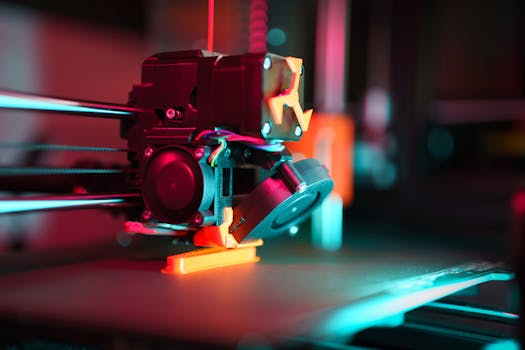
3D printing technology is revolutionizing the crafting industry by allowing makers to bring their ideas to life with unmatched precision. This technology enhances creativity and reduces barriers to entry.
With 3D printing, crafters can create prototypes and final products quickly. This rapid manufacturing process fosters experimentation and innovation within various crafting disciplines.
Moreover, accessibility to 3D printers is increasing, allowing more crafters to utilize them. As prices drop, this technology becomes commonplace in workshops and home studios.
The versatility of 3D printing opens new avenues for creating unique items. From jewelry to home decor, its applications span various craft disciplines, enhancing overall productivity.
As 3D printing technology continues to evolve, it will likely lead to even more advanced crafting tools, making the process more intuitive and less labor-intensive.
Connectivity and Smart Tools
As crafting evolves, connectivity becomes a vital aspect. Smart tools that connect with mobile applications create an interactive crafting experience for users.
These smart tools offer features such as tutorials, community forums, and inspiration hubs directly through their interfaces. This accessibility helps crafters learn and grow.
Furthermore, tools that integrate with design software allow for seamless transitions from concept to creation. This reduces time spent on planning and increases productivity.
The Internet of Things (IoT) is also making waves in crafting, letting tools communicate with one another. For instance, a smart sewing machine might sync with a mobile app for pattern suggestions.
The future will likely see even greater interconnectedness among crafting tools, enhancing user engagement and driving innovation in creative practices.
Emerging Crafting Communities
The rise of social media and online platforms has fostered vibrant crafting communities. These spaces encourage sharing techniques, ideas, and resources among crafters worldwide.
Online communities often share insights into new tools and techniques, allowing members to stay up-to-date with market trends. This instant access fuels creativity and inspiration.
Collaboration tools enhance this sense of community, enabling crafters to work together on projects regardless of location. These projects often blend diverse skills, broadening horizons for all involved.
As these communities grow, they create higher demand for innovative crafting tools tailored to their needs. Manufacturers are increasingly responsive to this feedback, driving innovation.
The future of crafting communities will rely on these strong networks, facilitating knowledge sharing and expanding the possibilities of collaboration across disciplines.
Conclusion
The future of crafting tools is poised for transformation, driven by technological advancements and growing consumer demand for personalization and sustainability. Artisans can adapt to these changes, enhancing their creative process.
With an eye toward environmentally conscious practices and the integration of smart technology, the crafting landscape will continue to evolve. The tools of tomorrow will support the artistry of today.
Staying informed about these innovations will enable crafters to leverage new technologies and methods effectively. Embracing change will lead to a vibrant and dynamic crafting future.
As we move forward, expect crafting tools to play an integral role in shaping creative expression and facilitating the art of making. The possibilities are endless, and the future is bright.