
iPhone 17e vs. iPhone Air: Which iPhone to Buy?
Need a new iPhone with outstanding performance, latest Apple features, and at least 256 GB of storage?
The iPhone Air and iPhone 17e are from the same generation but target different customers. Premium design defines the iPhone Air. It has a sleek titanium shell, a 6.5-inch ProMotion display, the A19 Pro processor, improved wireless connection, and a better front-facing camera. The iPhone 17e emphasises value. It has the A19 chip, 48MP Fusion camera, MagSafe, Apple Intelligence, and 256 GB of beginning storage for less.
Main difference
The biggest distinction is that the iPhone Air is a premium design-focused smartphone, and the iPhone 17e is an economical iPhone 17 starting point.
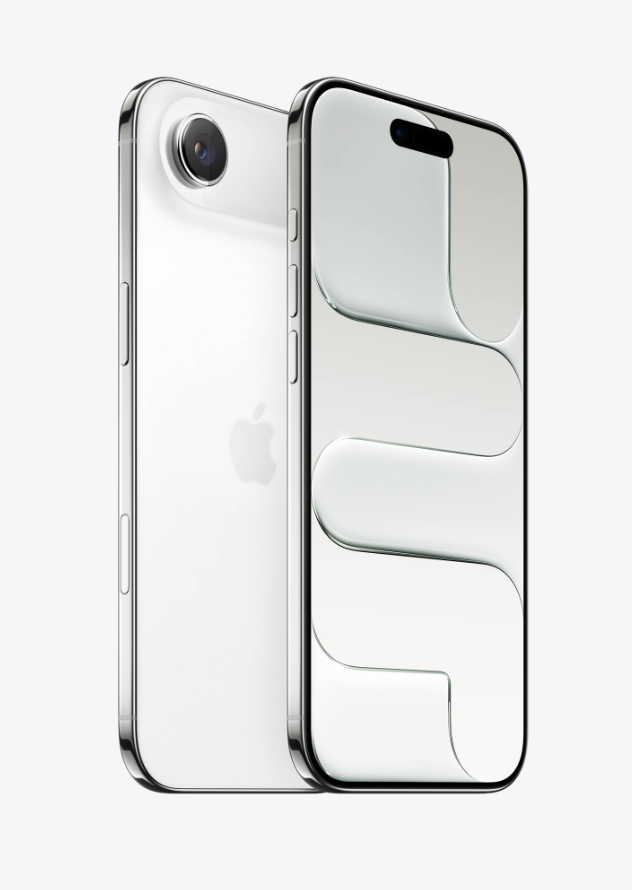
The iPhone Air sports a titanium frame, 6.5-inch display, ProMotion, Always-On display, A19 Pro CPU, and 18MP Center Stage front camera. Only 5.64 millimetres thick.
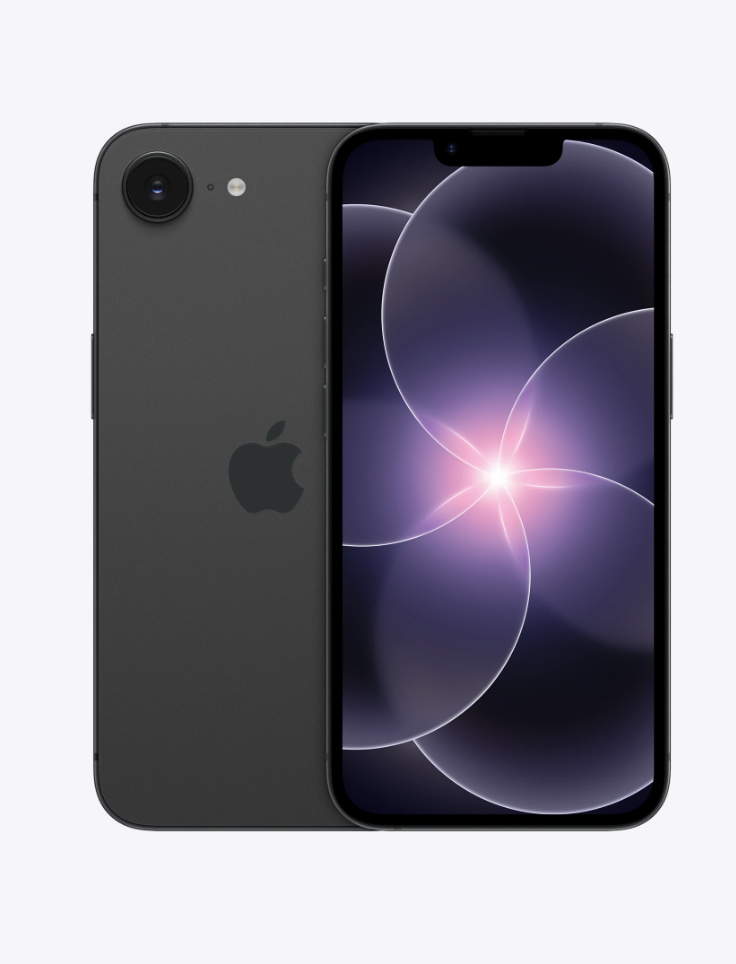
The iPhone 17e has a 6.1-inch display, aluminium frame, A19 CPU, and 12MP TrueDepth front camera. Though thicker than Air, it costs less. Therefore, the iPhone Air prioritises display quality, thinness, and premium features. The iPhone 17e values cost, practicality, and longevity.
Quality design and construction
Apple's tiniest iPhone is the Air. Despite its big 6.5-inch display, it is just 5.64 millimetres thick and weighs 165 grams. The frame is grade 5 titanium, and Ceramic Shield 2 covers the front and rear.
Aluminium makes the iPhone 17e seem more traditional. It weighs 169 grams and is 7.80 mm thick. The front has Ceramic Shield 2, while the rear has glass.
Amazingly, the weight difference is tiny. The iPhone Air is four grams lighter despite its bigger screen. The slender, quality feel in the hand is its greatest benefit.
A really slim phone may not suit everyone. Some users may prefer the iPhone 17e's classic size for gaming, photography, or lengthy typing sessions.
Both variants are IP68-rated and can endure 30 minutes in six meters of water in the lab. Normal wear reduces water resistance, therefore it's not permanent waterproofing.
Design winner: iPhone Air
Best traditional design: iPhone 17e
Display Quality
The iPhone Air boasts a 6.5-inch Super Retina XDR OLED display with 2736 by 1260 pixels and 460 ppi. Dynamic Island, Always-On display, and ProMotion with 120Hz adjustable refresh rate are included.
Scrolling, animations, and compatible games seem smoother with ProMotion. The adaptive technology may lower screen refresh rate when static material is shown, balancing fluidity and energy economy.
The Air can attain 1,000 nits average brightness, 1,600 HDR brightness, and 3,000 outdoor brightness. To make dark situations pleasant, it may dim to one nit.
The smaller iPhone 17e sports a 6.1-inch Super Retina XDR OLED display with 2532 by 1170 pixels and 460 ppi. HDR, True Tone, and P3 wide-color are supported.
Its brightness is 800 nits in normal usage and 1,200 in HDR. ProMotion, Always-On display, and Dynamic Island are not included in Apple's iPhone 17e specs.
Both displays include clear text, contrast, and colour accuracy. The iPhone Air excels in scrolling, outdoor visibility, gaming, and media consumption.
Display winner: iPhone Air
Performance
The A19 Pro processor in the iPhone Air has a six-core CPU, five-core GPU with Neural Accelerators, and 16-core Neural Engine. Also supports hardware-accelerated ray tracing.
iPhone 17e utilises the regular A19 chip. It features the same six-core CPU and 16-core Neural Engine, but a four-core GPU. Also supports hardware-accelerated ray tracing.
Both phones should perform well for daily activities like:
- Browse the web
- Social media
- Photography
- A video feed
- Navigation
- Messaging
- Apps for productivity
- Apple Intelligence features
- Most mobile games
The iPhone Air's extra GPU core helps with visually taxing gaming, picture processing, and demanding apps. Because both versions employ current A19-generation CPUs, the difference may be less visible in regular usage.
iPhone 17e users who mostly surf, chat, take photographs, and utilise popular apps won't find it sluggish.
Performance champion: iPhone Air
Best price-performance: iPhone 17e
Rear Camera
48MP Fusion rear-camera system: on both phones has a ƒ/1.6 aperture. They can crop into the primary sensor for an optical-quality 2x Telephoto view and take 24MP and 48MP photos. Both provide 10x digital zoom.
The phones lack Ultra Wide and optical telephoto cameras. Buyers who desire several back cameras, macro photography, or greater zoom should seek another Apple model.
The iPhone Air has 100% Focus Pixels and sensor-shift optical image stabilisation. Users may pick their own framing with its customisable default focal length for the primary camera.
The iPhone 17e has Hybrid Focus Pixels and OIS. It has the Photonic Engine, Deep Fusion, Smart HDR 5, Night Mode, and next-generation portraiture with Focus and Depth Control.
For ordinary photography, outcomes may be close. Both have 2x optical-quality framing and the same primary resolution.
Though it boasts better stabilisation and focussing, the iPhone Air lacks a second back camera, reducing its pricing advantage.
iPhone Air wins rear-camera.
Best camera value: iPhone 17e
The Front Camera
The iPhone Air excels in selfies, video calls, and social media.It has an autofocus 18MP Center Stage front camera. Its square sensor lets users take portrait or landscape selfies without turning the phone. When additional individuals join a picture or video call, Center Stage automatically reframes.Dual Capture, ultra-stabilized front-camera footage, and Center Stage for video conferences are also available on the Air.The iPhone 17e has a standard autofocus 12MP TrueDepth front camera. It records 4K Dolby Vision video at 60 fps and offers Night mode, Smart HDR 5, and portrait.
The iPhone 17e's front camera works for FaceTime, social media, and selfies. Creators, group photographs, and regular video chats benefit with the Air's broader and more versatile Center Stage camera.
Front-camera champ: iPhone Air
Video Recording
Both phones can capture 4K Dolby Vision rear-camera video at 60 fps. Spatial Audio recording, wind-noise reduction, and Audio Mix for speech and ambient sound adjustments are also supported.
Action mode on the iPhone Air supports 2.8K and 60 fps. Videos shot while walking, running, or moving swiftly are stabilised better. Dual Capture at 4K Dolby Vision and 30 fps is supported.
Video capabilities on the iPhone 17e do not include Action mode or Dual Capture. Thus, the Air is better for vlogging, social-media videos, and users who constantly film themselves and their surroundings.
Video winner: iPhone Air
Action Button, Camera Control
Both phones include customisable Action buttons. It may be set to Silent Mode, Focus, Camera, Visual Intelligence, Flashlight, Voice Memos, Translate, Magnifier, accessibility controls, and shortcuts. Camera Control on the iPhone Air rapidly opens the camera and adjusts exposure, zoom, depth, photographic styles, and tone. Camera Control is absent on the iPhone 17e's external buttons. Photography is controlled via the Action button, touchscreen, and conventional controls.
iPhone Air wins controls.
Final Decision
The iPhone Air is the best smartphone. It boasts a better display, slimmer, more premium build, quicker graphics, better front camera, enhanced connection, and more photographic controls.
Buyers who appreciate design, screen quality, selfies, video production, and premium features should choose it.
Most people find the iPhone 17e better value.
While maintaining the A19 processor, 256 GB of storage, 48MP camera, MagSafe, Apple Intelligence, extended battery life, and IP68 protection, it costs much less. The smaller display, simpler front camera, slower wireless charging, and decreased connection are its key drawbacks.
Choose the iPhone Air for thinness, display quality, and luxury design.
When affordability, practicality, and long-term value matter, choose the iPhone 17e.