

Reflecting on which little device is the most tuned to measure your heart and show how you're doing? Here we present a quick and easy-to-digest comparison to help you choose your next investment.
Label of information by segment
In what way does each one evaluate (why is the strap usually more efficient)?
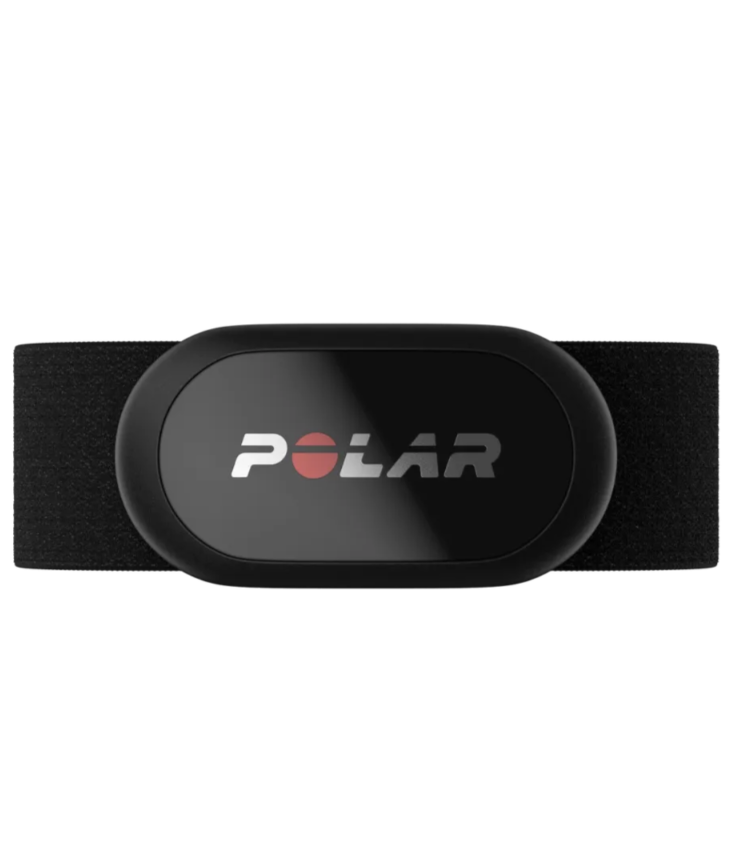
Chest strap for ECG:
Evaluates the electrical energy of the heart (R points) and easily calculates the RR intervals and heart rate.
Benefit: in the world of sports, it serves as the ruler that measures every pulse, and research reveals a finely tuned alignment with reference electrocardiograms for heart rate variability and RR intervals, both at rest and in motion.
Heart rate (PPG):
It employs rays of light as if they were typists measuring the highs and lows of the circulating blood volume, while a masterful algorithm calculates the heart rate and rhythm variability, like a conductor leading his orchestra.
Limitation: the PPG signal dances to the rhythm of movements, becoming a puppet of motion artefacts; there is a range of studies that delve into how to tame these mischiefs and increase accuracy.
Precision in training (where the difference appears)
Chest strap generally wins in:
Sprints / HIIT / fartlek / crossfit / weight training (quick change + wrist tension)
Cycling (vibration + wrist position)
Situations where you want to trust the data for the target zone and training decisions.
Pulse can be "good enough" in:
Moderate continuous running, walks, light jogs, steady cardio
Many people get values close to the chest strap in various activities, but the margin tends to worsen with intensity/movement.
HRV and "recovery training" (where the strap is the reference)
If you use HRV/RMSSD (e.g., readiness/recovery), the strap tends to be superior because: HRV depends on the accuracy of RR intervals, and validation studies of the "H10 vs ECG" type show strong agreement (rest and incremental exercise). In comparison of consistency/error for metrics like RMSSD, the chest strap appears as the option with the least error and highest consistency compared to the ECG. Pulse can serve for trends, but: The reliability of HRV in the pulse varies significantly by device/algorithm and signal quality (sleep/rest tends to be better than training).
Continuity, familiarity, and "operational efficiency"
Heart rate (daily efficiency benefit):
Without taking any further action, you wear the watch constantly.
More data gathered (adherence) is what this entails for most individuals.
Belt (benefit of efficiency when it counts):
When training choices rely on it, you get more accurate data, therefore you only incorporate it in training (or special sessions).
The usual drawbacks (to make a decision without thinking): Limitations of the chest strap
It requires good adjusting since it may be painful (particularly on lengthy ones).
In rare cases, skin contact may need the use of moisture or gel.
With less "practical" usage all the time
Heart rate - restrictions
Intense, forceful motions allow you to make more blunders.
The correct grip, placement on the arm, skin, perspiration, temperature, and vibration are all factors.
Which one should I choose (reasonable suggestion)?
Select a chest strap in the event that:
Does high-intensity interval training (HIIT), uses zones for training, or seeks "trustworthy" data.
Hopes for improved beat-to-beat heart rate variability (recovery/polarized training)
Do not remove the wrist sensor unless you:
Prefers convenience and works out continuously.
Relies on approximate highs rather than exact ones and wants a "good estimate" most days.
Top value for dedicated fitness professionals:
The wristwatch is perfect for daily usage, and the strap is perfect for important exercises like intervals, tests, and zone training.
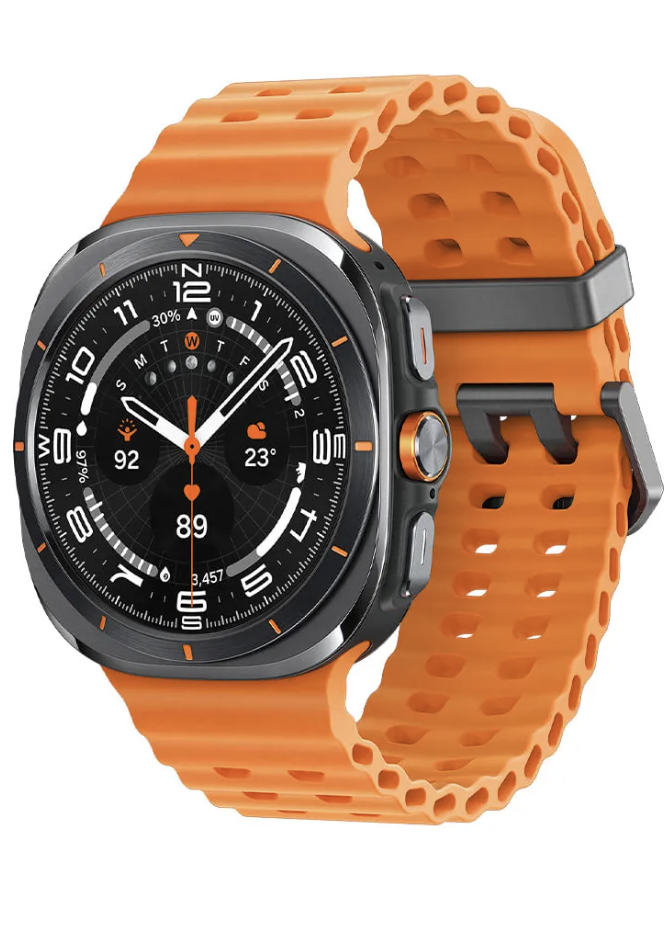
Wrist sensor (PPG): Garmin Forerunner 265 (wrist heart rate monitor + GPS)
What he delivers in FC efficiency
Technology: optical on the wrist (PPG) → great for daily use and continuous workouts, but it may struggle more during intense movement.
The manual itself reinforces: the watch uses the wrist sensor by default, but if you pair a strap, it will switch to the external source when available.
Compatibility with strap: supports external monitors (ANT+/Bluetooth) and has source switching logic.
Water resistance: 5 ATM (suitable for surface swimming).
Where he is more "efficient" in practice
When the priority is practicality + consistency (you use it all day) and you want everything integrated (workout, GPS, metrics, notifications).
Objective Summary:
Accuracy and Cost-Effectiveness
The Polar H10 chest strap provides very high accuracy during HIIT sessions, interval training, and sprints, with fast responses to sudden heart-rate changes. The Garmin Forerunner 265, which measures heart rate from the wrist, performs well but may occasionally fluctuate or show a slight delay during high-intensity activities.For continuous running, the Polar H10 offers excellent accuracy, while the Garmin Forerunner 265 also delivers very good and generally reliable results.For athletes who want to train within specific heart-rate zones with maximum precision, the Polar H10 is the better option. The Garmin Forerunner 265 becomes more accurate for this purpose when paired with a chest strap.In terms of everyday convenience, the Garmin Forerunner 265 has a clear advantage because it can be worn continuously and provides 24/7 monitoring. The Polar H10 is less practical for daily use, as it is normally worn only during training sessions.